
Shardmoon
A strategy card game played on four lanes
In Shardmoon the board matters as much as the cards. Where you place a Shardling, when you evolve it and which trap you leave face down decide more games than luck.
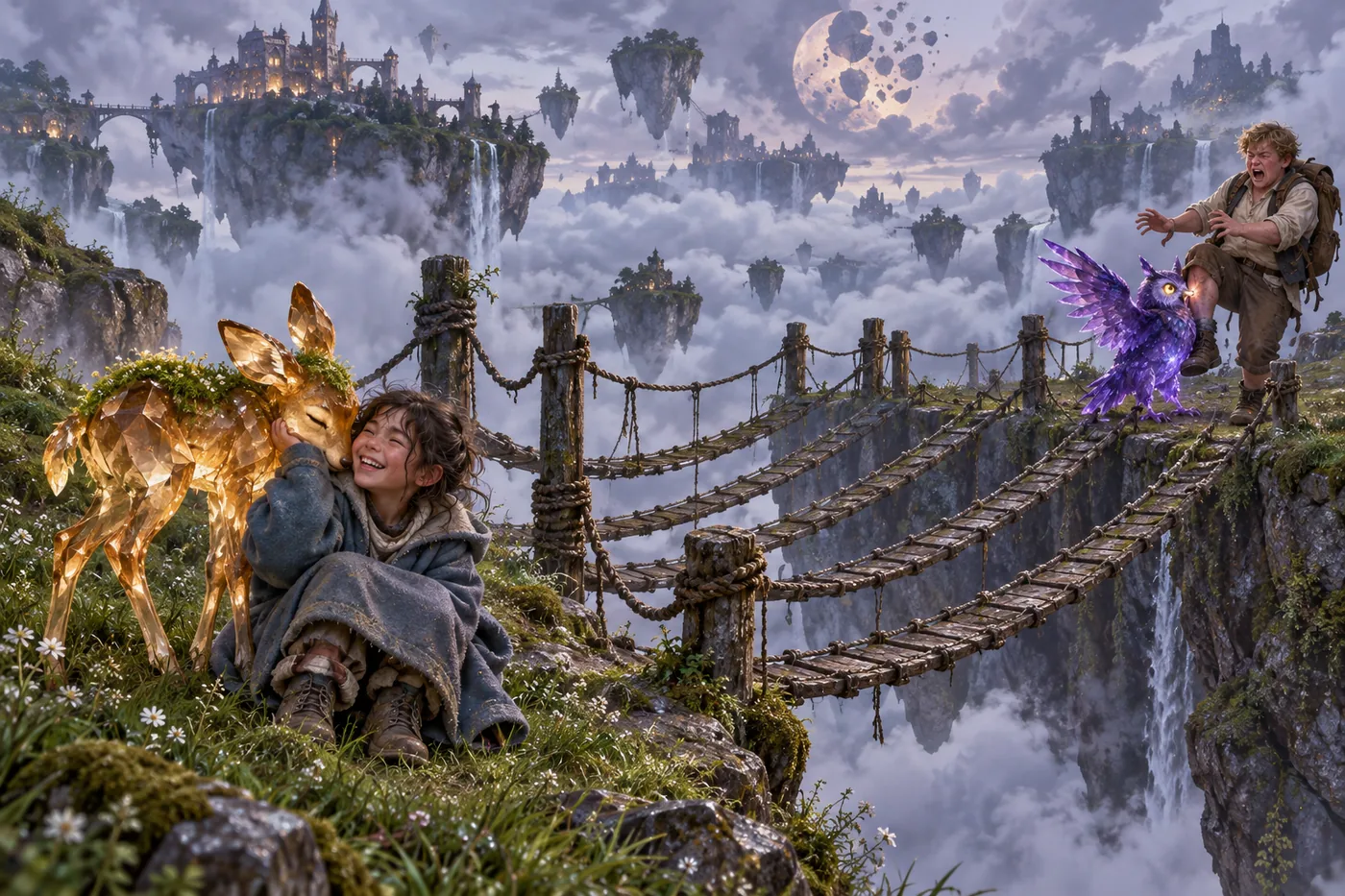
Four lanes, one ward
Each player has a ward with 25 life and four lanes in front of it. A Shardling attacks the lane opposite. If that lane is empty, it hits the ward directly. So every placement is a choice: block the strongest enemy, or leave a lane open and race. That is what makes it a tactical lane card game rather than a pure card battler.
Evolve in three stages
Shardlings grow from base form to Stage 3. An evolved Shardling keeps the damage it took and the bonuses it got, so timing counts: evolve early to win a lane, or hold the evolution back for the turn it decides the game.
Spells and traps
Spells act at once. Traps lie face down next to your hero, at most two, and trigger on their own when their condition is met. A trap that would have no effect stays where it is. Reading which traps your opponent might hold is half of every close card battle game.
Four classes, four ways to win
Ember attacks fast, Root heals and holds on, Mist plays tricks and traps, Iron brings armour, Guard and Pierce. A deck mixes at most two classes, and each pair plays differently. The guides explain every class and all six starter decks.
Questions
Is Shardmoon more luck or skill?
You draw cards, so there is some luck, but placement, evolving and traps decide most games.
How long is a match?
Usually about 15 to 25 turns, both players together. Every turn has a time limit.